

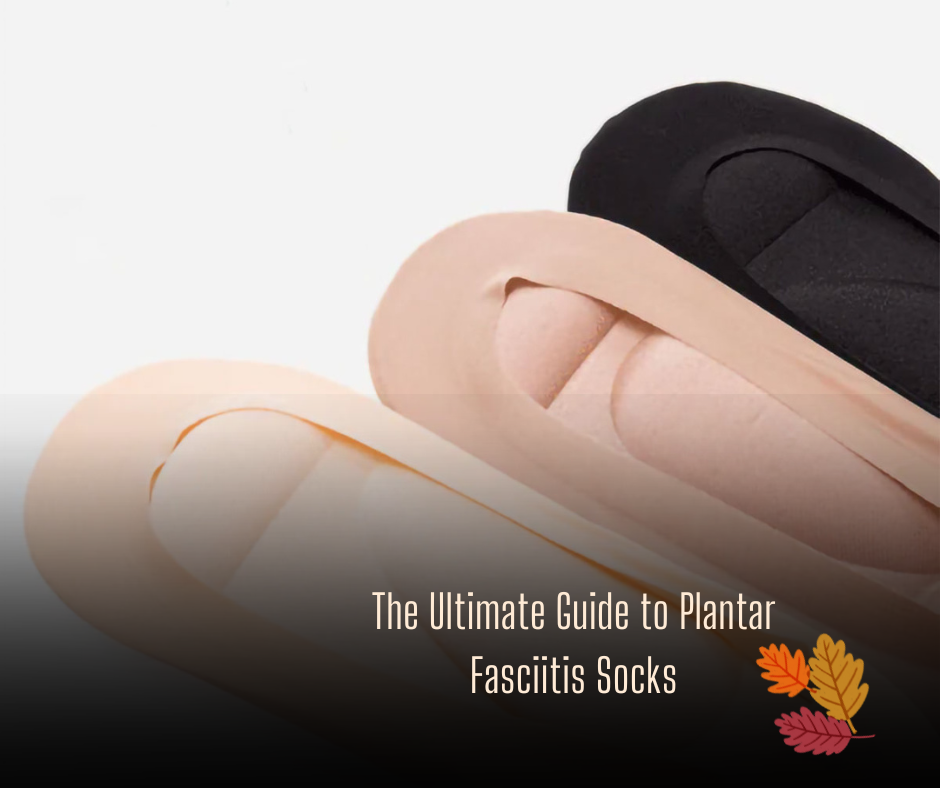

Socks may make plantar fasciitis symptoms more comfortable for some people, but they are not a cure. The plantar fascia is a band of tissue along the bottom of the foot, and pain commonly occurs near the heel. Effective care often involves several measures rather than one garment.
Are socks good for plantar fasciitis?
Supportive or compression socks may provide a snug feeling around the arch or ankle and can be comfortable during daily activity. Evidence and individual response vary, so it is more accurate to view them as an optional comfort aid. They do not replace properly fitted footwear, activity changes, stretching advice, or clinical care when symptoms persist.
Types of socks people commonly try
- Graduated compression socks: These apply controlled pressure and are usually sized by calf or ankle measurements. They are designed primarily for circulation-related uses, not specifically to heal the plantar fascia.
- Arch-support sleeves: Elastic material wraps the midfoot and may provide a feeling of support.
- Cushioned socks: Padding at the heel can reduce direct pressure inside a shoe.
- Moisture-wicking socks: These can help manage sweat and reduce friction during walking or exercise.
How to choose socks for heel pain
- Use the manufacturer's size chart; tighter is not automatically better.
- Choose smooth seams and fabric that does not bunch under the heel.
- Make sure the sock and shoe combination leaves enough toe room.
- Test a new pair for a short period and inspect your skin afterward.
- Stop if you develop increased pain, numbness, discoloration, or deep pressure marks.
Ask a clinician before using compression if you have known circulation disease, significant swelling, reduced sensation, diabetes-related foot concerns, or an unexplained wound.
Footwear matters too
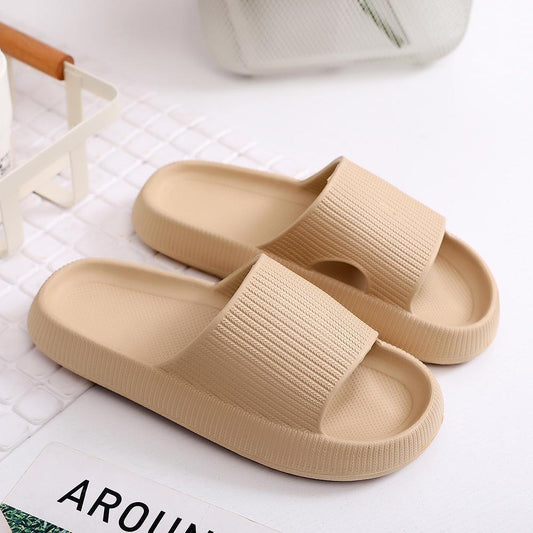
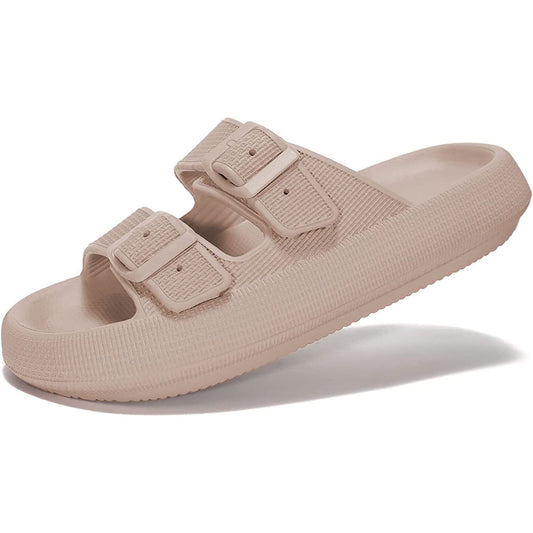
Avoiding long periods barefoot on hard surfaces may help some people. Look for footwear with a stable sole, cushioning that feels comfortable, and arch support that matches your foot. Our arch-support flip flops are one casual option, but open sandals are not appropriate for every activity or every person.
What else is commonly included in care?
General care may include temporarily reducing aggravating activity, using cold therapy safely, and following calf or plantar-fascia stretching guidance from a qualified professional. Persistent heel pain can have causes other than plantar fasciitis, so an accurate diagnosis matters.
Frequently asked questions
Do plantar fasciitis socks work?
Some wearers report short-term comfort or a feeling of support, but results vary and socks should not be presented as a guaranteed treatment.
Can I sleep in compression socks?
Do not assume daytime compression is suitable overnight. Follow the product instructions and advice from a healthcare professional, especially if you have circulation or nerve concerns.
When should I see a professional?
Seek advice when heel pain is severe, follows an injury, persists despite self-care, limits walking, or occurs with numbness, swelling, fever, color change, or a wound.
This article is educational and is not a diagnosis or treatment plan.