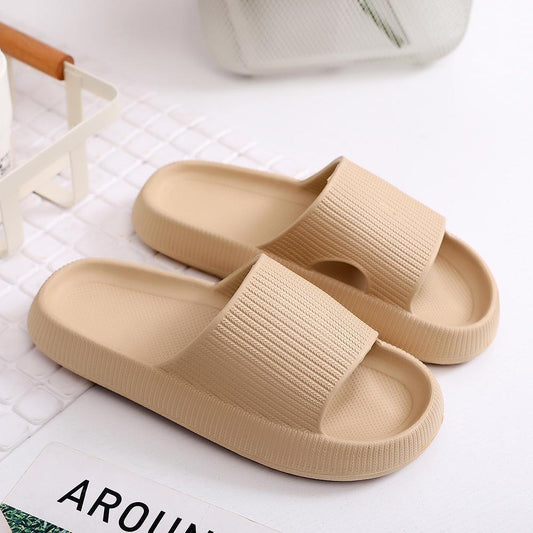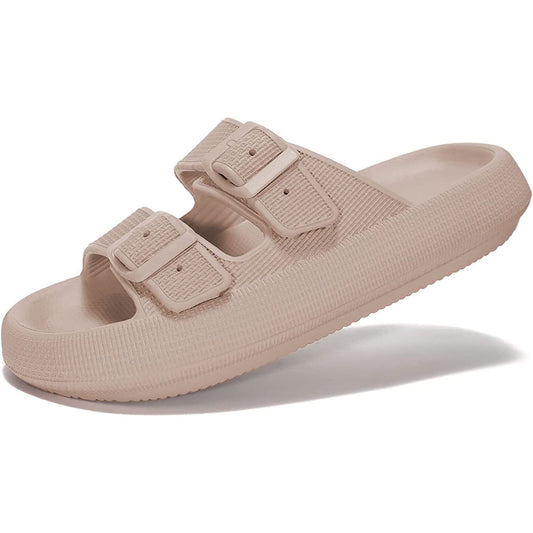


A Word That Gets Thrown Around a Lot
Walk through any shoe store or scroll through footwear websites and you'll see "orthopedic" everywhere. It's on clogs, sneakers, sandals, insoles, and even socks. But what does the word actually mean when it comes to shoes? Is it a regulated term with a specific definition, or is it just marketing language anyone can use?
The honest answer might surprise you — and understanding it will make you a much smarter shoe shopper. For a broader comparison, read our guide on orthopedic shoes vs. regular shoes.
The Origin of the Word
"Orthopedic" comes from the Greek words orthos (straight, correct) and paideia (child-rearing, education) — originally referring to the correction of skeletal deformities in children. The field of orthopedics expanded over time to encompass the entire musculoskeletal system: bones, joints, muscles, tendons, and ligaments in people of all ages.
In medicine, orthopedic care involves diagnosing and treating conditions affecting the musculoskeletal system — from broken bones to joint replacements to foot deformities.
Is "Orthopedic" a Regulated Term for Shoes?
Here's the important part: in the footwear industry, "orthopedic" is not a regulated or legally defined term. Any shoe brand can technically call their product "orthopedic" without meeting a specific standard or certification.
This means the word alone doesn't guarantee anything. A shoe labeled "orthopedic" could be genuinely engineered for foot health — or it could simply be a marketing claim with little substance behind it.
So how do you tell the difference? By looking at the actual features.
What Genuine Orthopedic Footwear Should Include
While the term isn't regulated, there are well-established features that define truly orthopedic footwear in practice. Here's what to look for:
Contoured Arch Support
A genuine orthopedic shoe has a footbed shaped to support the natural curve of the arch — not just a flat or lightly padded insole. This support reduces strain on the plantar fascia, distributes weight evenly, and helps correct overpronation or supination. Essential for people with arch pain or plantar fasciitis.
Deep Heel Cup
The heel cup cradles the heel bone and keeps the fatty pad beneath it properly positioned. This is critical for shock absorption and proper alignment. Without it, the heel spreads with each step, reducing its natural cushioning ability.
Wide, Roomy Toe Box
Orthopedic shoes give the toes room to spread naturally. Compressed toes lead to bunions, hammertoes, neuromas, and general discomfort. A wide toe box is non-negotiable in genuine orthopedic design — and especially important for wide feet.
Cushioned, Shock-Absorbing Sole
Materials like EVA foam provide the shock absorption needed to protect joints from the repetitive impact of walking and standing. Learn more about why EVA foam is the best material for comfort footwear. A thin or hard sole — regardless of what the label says — is not orthopedic.
Removable Insoles
Many people with specific foot conditions need custom orthotics prescribed by a podiatrist. True orthopedic shoes often feature removable insoles to accommodate these custom devices.
Stable, Supportive Structure
The shoe should resist excessive twisting and bending while still allowing natural flex at the ball of the foot. A shoe that folds completely in half has no structural integrity and cannot provide orthopedic support.
What "Orthopedic" Doesn't Mean
A few common misconceptions worth clearing up:
- It doesn't mean ugly. Modern orthopedic footwear has evolved dramatically. Today's orthopedic shoes can be stylish, contemporary, and appropriate for a wide range of occasions.
- It doesn't mean only for people with medical conditions. Anyone who stands, walks, or is on their feet regularly can benefit from orthopedic footwear — it's preventive as much as it is corrective.
- It doesn't mean expensive. Quality orthopedic footwear is available at a range of price points. The key is the features, not the price tag.
- It doesn't mean prescribed. While podiatrists do prescribe custom orthotics and sometimes specific shoe types, most orthopedic footwear is available over the counter.
How Sootheez Approaches Orthopedic Design
At Sootheez, we don't use "orthopedic" as a marketing buzzword. We use it as a design commitment. Every shoe in our lineup is built around the features that genuinely matter for foot health:
- FlexSlip Orthopedic Slip-On Sneaker — contoured arch support, cushioned EVA midsole, wide toe box
- Premium EVA Orthopedic Clogs – Cushioned Wide Fit — deep heel cup, high-density EVA cushioning, roomy fit. See our guide on how to choose the right orthopedic clog.
- Women's Cushioned Athletic Sneakers — targeted arch support, shock-absorbing sole, breathable construction
- Premium Arch Support Cushioned Flip Flops for Plantar Fasciitis — contoured footbed, deep heel cup, genuine arch support in a casual style. Read: are flip flops bad for your feet?
When we call something orthopedic, we mean it — and the features are there to back it up.
The Bottom Line
"Orthopedic" in shoes means footwear designed with the biomechanics and health of your feet in mind. The term isn't regulated, so the word alone isn't enough — you need to look at the actual features. Genuine arch support, a deep heel cup, a wide toe box, and quality cushioning are the hallmarks of footwear that truly earns the orthopedic label.
Shop smart, look for the features, and your feet will feel the difference. Explore the full Sootheez collection today.