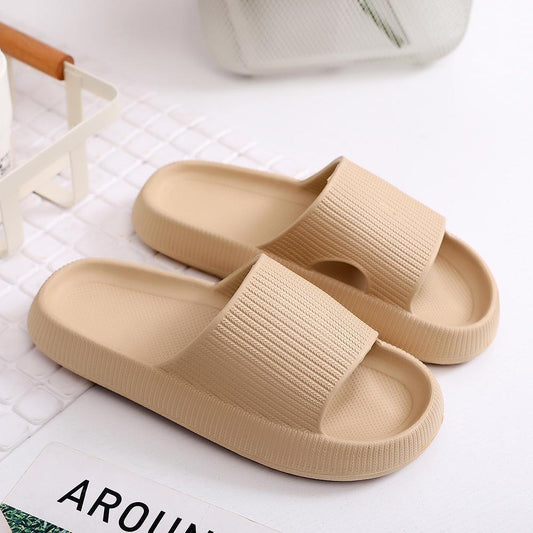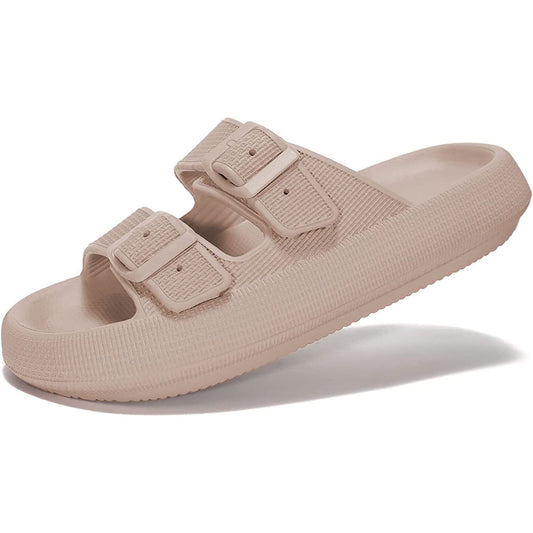


Waterproof shoes for women are designed to block water from entering under specified conditions. Water-resistant shoes handle limited splashes or light moisture but may eventually let water through. Understanding that distinction helps you choose footwear for commuting, work, travel, gardening, or wet-weather walks.
Waterproof vs. water-resistant
- Waterproof: Built with a barrier or construction intended to prevent water penetration, often including sealed seams.
- Water-resistant: Able to resist light moisture for a limited time, but not designed for prolonged exposure or standing water.
- Water-friendly: Made to get wet and dry easily, without necessarily keeping the foot dry.
Marketing language varies. Look for construction details, test standards, or an IP rating when the manufacturer provides one.
Features to check
Seams and openings
Water can enter through stitching, tongue openings, vents, and the top of the shoe. A waterproof material alone does not make the entire shoe waterproof.
Outsole traction
Wet conditions make traction important, but waterproofing does not guarantee slip resistance. Select tread for the actual surface and replace worn soles.
Fit with socks
Measure with the socks you intend to wear. Allow toe movement while keeping the heel secure; excessively loose shoes can rub when wet.
Breathability
Waterproof barriers may retain more heat than open mesh. For warm conditions, balance weather protection with airflow and moisture management.
Choosing by activity
- Commuting: prioritize sealed construction, wet-pavement traction, and comfort for the walking distance.
- Healthcare or food service: follow workplace rules for coverage, cleanability, and slip resistance.
- Gardening: look for washable materials and tread that releases mud.
- Travel: consider weight, drying time, and whether one pair can handle multiple settings.
Caring for waterproof footwear
Clean according to the manufacturer’s instructions, air-dry away from direct heat, and renew approved surface treatments when recommended. Inspect flex points, seams, and sole separation because damage can reduce water protection.
Frequently asked questions
Are EVA shoes waterproof?
Molded EVA itself does not absorb water easily, but openings and the overall design determine whether the footwear keeps feet dry. Ventilated clogs are water-friendly, not sealed waterproof shoes.
Are waterproof shoes also non-slip?
No. Water protection and traction are separate features. Review the outsole and any documented slip-resistance testing.
Can waterproof shoes be worn all day?
They can be suitable when they fit well and match the activity, but comfort, breathability, cushioning, and workplace requirements still matter.
See Sootheez clogs and women’s sneakers, checking each product’s listed materials and care instructions.