


Arch-support slippers combine the easy comfort of house shoes with a more contoured footbed. The best pair should feel supportive without creating a hard pressure point, stay securely on the foot, and provide traction suited to your floors. Softness matters, but softness alone does not equal support.
What are arch-support slippers?
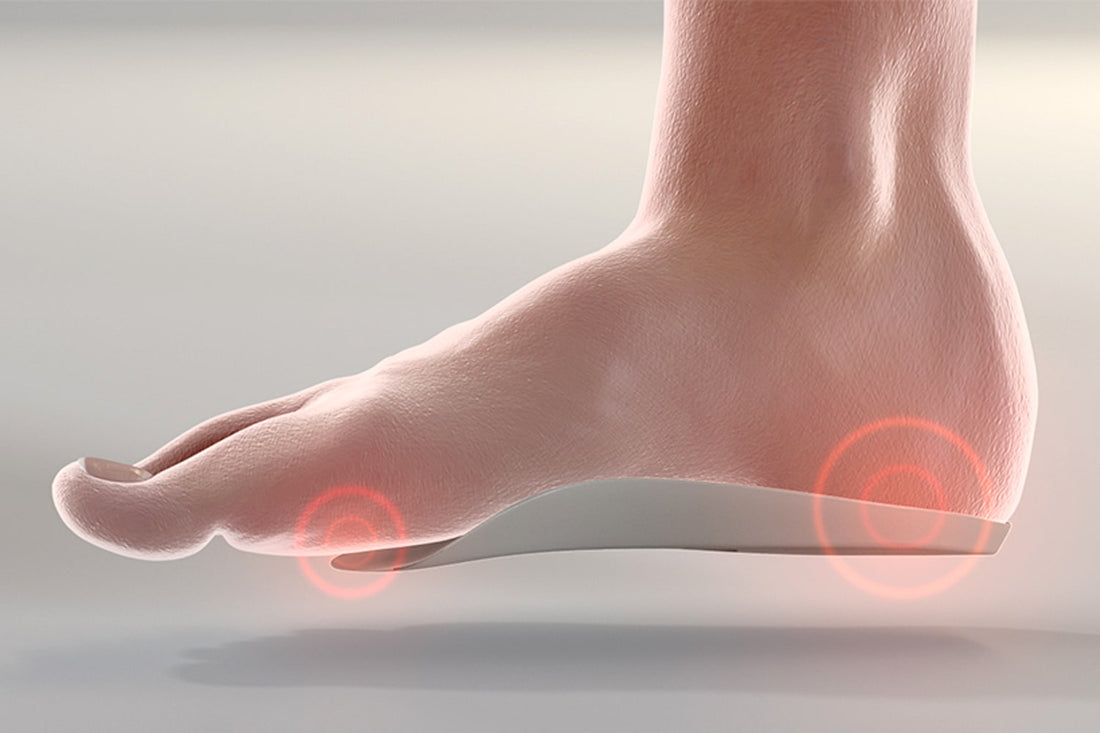
Arch-support slippers have a shaped midfoot area rather than a completely flat footbed. Depending on the design, they may also include a heel cup, structured base, cushioned midsole, or removable insole. These features can make indoor footwear feel more stable and comfortable, especially on hard floors.
Benefits to consider
- Contoured contact: A shaped footbed can feel more supportive under the midfoot.
- Cushioning: A resilient midsole can soften the feel of hard indoor surfaces.
- Secure fit: A well-fitted upper may reduce the need to grip with the toes.
- Traction: An appropriate outsole can provide better grip than thin fabric soles.
- Convenience: Slip-on styles are easy to use for light activity around the home.
Comfort is individual. A feature that feels supportive to one person may feel too high or firm to another.
How to choose arch-support slippers
1. Match the contour to your foot
The arch area should feel like broad, comfortable contact. Avoid a footbed that creates a sharp pressure point or pushes your foot to one side. If you wear prescribed orthotics, look for enough depth and a removable insole, or ask your clinician what will accommodate them.
2. Look beyond memory foam
Memory foam can feel soft at first, but the structure beneath it determines how stable the slipper feels. Consider the full footbed, base, and outsole rather than choosing by foam thickness alone.
3. Check toe room and width
Your toes should lie flat without touching the front or spilling over the footbed. For broad forefeet, search for arch-support slippers in wide widths or with an adjustable upper.
4. Choose a secure upper
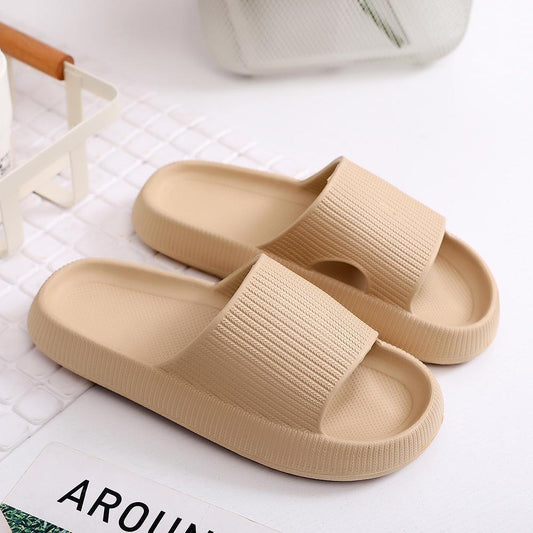
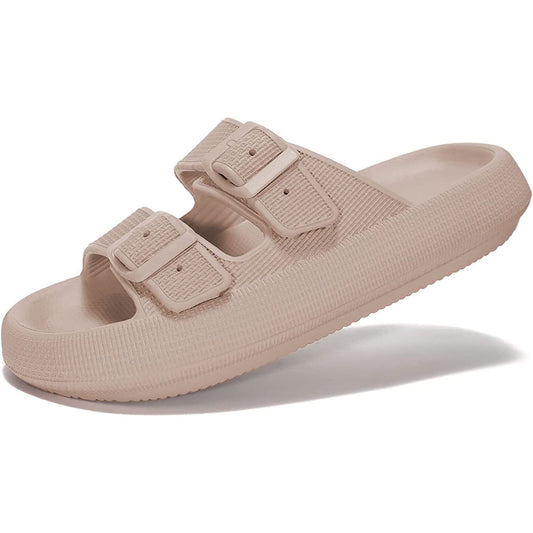
Backless slippers are convenient but may move more at the heel. Closed-back or adjustable styles can feel more secure. Whatever the design, you should not need to curl your toes constantly to keep the slipper on.
5. Match traction to your floors
Inspect the outsole pattern and material. Smooth fabric soles may be unsuitable for tile, hardwood, stairs, or quick trips outdoors. No outsole is slip-proof, so replace worn slippers and keep walking surfaces clean and dry.
Women’s, men’s, and wide-width options
Arch-support slippers for women and men use the same basic fit principles: correct length, enough toe space, stable cushioning, and a secure upper. Labels differ by brand, so use actual measurements and the size chart. Unisex sizing can work well when the length and width conversion is clear.
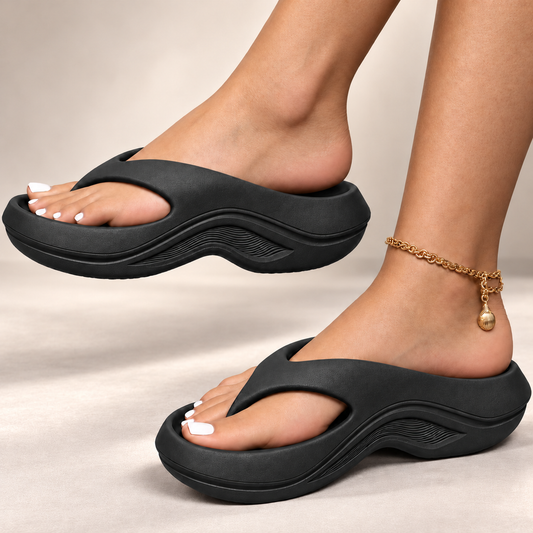
Explore Sootheez slides and slippers, or compare open styles in the flip-flop collection. Review each product’s fit notes because construction varies by style.
When to replace house slippers
- The cushioning stays compressed or feels uneven.
- The heel leans to one side.
- The tread is smooth or damaged.
- The upper has stretched and no longer holds the foot securely.
- The footbed creates new rubbing or pressure.
Frequently asked questions
Are arch-support slippers good for hard floors?
They can feel more comfortable than thin, flat slippers when they combine resilient cushioning, a stable base, and suitable traction. Fit and individual needs still matter.
Are closed-toe slippers more supportive?
Not automatically. A closed toe adds coverage, while support comes mainly from the footbed, base, heel control, and overall fit.
Can I wear arch-support slippers all day?
Slippers are generally intended for light indoor wear. They are not a substitute for activity-specific footwear when walking long distances, exercising, working around hazards, or using stairs repeatedly.
Can slippers help plantar-fascia discomfort?
Some people prefer a contoured, cushioned house shoe instead of walking barefoot, but slippers do not diagnose or treat a condition. Persistent or worsening heel pain should be assessed by a health professional.
This guide is general information, not medical advice. Seek professional care for persistent pain, numbness, wounds, balance problems, or sudden swelling.