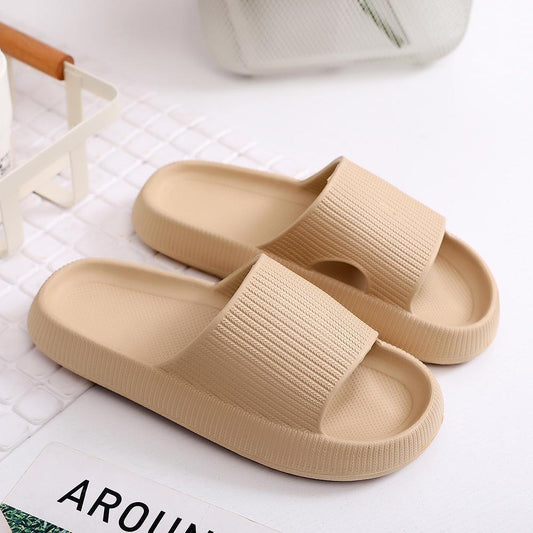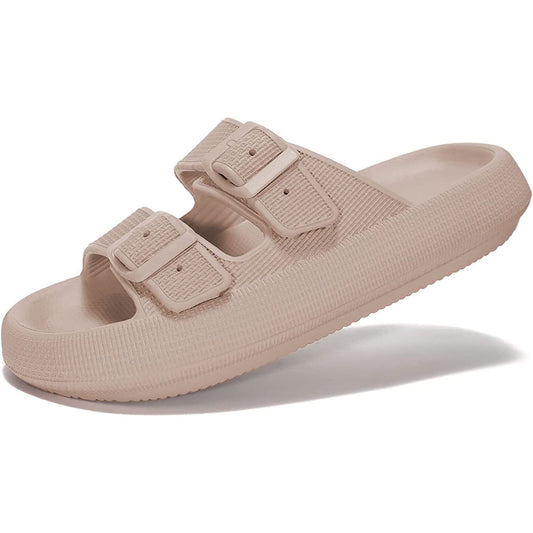


What Are Barefoot-Style Shoes?
Barefoot shoes — also called minimalist shoes — are designed to mimic the experience of walking without shoes while still providing a protective layer between your foot and the ground. They're characterized by a thin, flexible sole, a wide toe box that allows the toes to spread naturally, zero or minimal heel-to-toe drop, and a lightweight construction that lets your foot move as freely as possible.
The barefoot movement has grown significantly over the past decade, driven by research into natural foot mechanics and a growing awareness that many conventional shoes may actually weaken the feet over time by doing too much of the work for them. For a comparison with more structured options, read our guide on orthopedic shoes vs. regular shoes.
The Science Behind Barefoot Walking
When you walk barefoot, your foot functions as it evolved to — the toes spread for balance, the arch acts as a natural spring, and the muscles of the foot and lower leg engage actively with every step. Conventional shoes with thick, cushioned soles and elevated heels can reduce this natural engagement, potentially leading to weaker intrinsic foot muscles over time.
Research has shown that people who regularly walk barefoot or in minimalist footwear tend to have stronger foot muscles, better balance, and more natural gait patterns than those who exclusively wear heavily cushioned, structured shoes.
Key Benefits of Barefoot-Style Shoes
1. Stronger Foot Muscles
When your foot isn't being propped up and supported by a thick sole and rigid structure, the small intrinsic muscles of the foot have to do more work. Over time, this leads to stronger, more resilient feet that are better able to support themselves — reducing reliance on external support and potentially lowering the risk of certain injuries.
2. Improved Balance and Proprioception
Proprioception is your body's ability to sense its own position in space. Thick-soled shoes reduce the sensory feedback your feet receive from the ground. Barefoot-style shoes, with their thinner soles, allow more ground-feel — improving balance, coordination, and body awareness.
3. More Natural Toe Splay
The wide toe box in barefoot shoes allows your toes to spread naturally with each step, the way they're designed to. This improves stability, reduces pressure on the toe joints, and can help prevent or slow the progression of bunions and hammertoes caused by years of toe compression. Also a great option for wide feet.
4. Encourages a More Natural Gait
Elevated heels in conventional shoes encourage heel-striking — landing on the heel with each step. Barefoot shoes, with their flat or near-flat profile, encourage a midfoot or forefoot strike, which is generally considered more biomechanically efficient and less impactful on the joints.
5. Lightweight and Freeing
Many people who switch to barefoot-style shoes describe the experience as liberating — feet feel less confined, movement feels more natural, and the reduced weight means less fatigue over long periods of wear.
Who Are Barefoot Shoes Best For?
Barefoot-style shoes are a great option for:
- People looking to strengthen their feet and improve overall foot health
- Those who feel confined or uncomfortable in heavily structured shoes
- People with wide feet who struggle to find shoes with enough toe room
- Athletes and active individuals interested in more natural movement patterns
- Anyone transitioning away from overly cushioned footwear gradually
Important: Transition Gradually
If you've spent years in conventional shoes, your feet have adapted to that support. Switching to barefoot shoes too quickly can cause discomfort or injury as your foot muscles adjust. Most experts recommend a gradual transition — starting with short periods of wear and increasing over several weeks as your feet strengthen.
Sootheez Barefoot-Style Option
Barefoot Pro Unisex Athletic Shoes
Our Barefoot Pro shoes are designed for people who want the benefits of natural foot movement without sacrificing everyday wearability. Featuring a wide toe box for natural toe splay, a flexible sole that moves with your foot, and a lightweight construction that keeps fatigue to a minimum, the Barefoot Pro is the ideal entry point into barefoot-style footwear — or a reliable everyday option for seasoned minimalist shoe wearers.
Unisex sizing makes them accessible for everyone, and the athletic design means they're versatile enough for workouts, errands, and everything in between. See how they compare to other styles in our clogs vs. slides vs. sneakers guide.
Barefoot vs. Orthopedic: Do You Have to Choose?
It's worth noting that barefoot and orthopedic footwear represent different philosophies — barefoot shoes encourage the foot to do its own work, while orthopedic shoes provide external support to compensate for or correct foot issues. Neither is universally superior; the right choice depends on your foot health, activity level, and goals.
Many people benefit from a combination: barefoot-style shoes for lower-intensity, everyday wear to build foot strength, and more supportive orthopedic footwear for longer periods of standing or higher-impact activities. If you experience plantar fasciitis or arch pain, consult a podiatrist before transitioning to minimalist footwear.
Final Thoughts
Barefoot-style shoes offer a compelling set of benefits for people interested in more natural foot movement, stronger feet, and better proprioception. They're not for everyone — and they require a gradual transition — but for the right person, they can be genuinely transformative.
Explore the Sootheez Barefoot Pro and discover what it feels like to let your feet move the way they were designed to. Browse our full comfort footwear collection to find the right fit for your lifestyle.