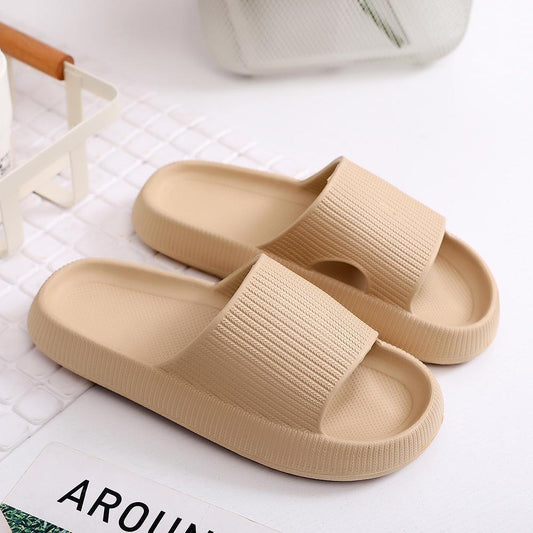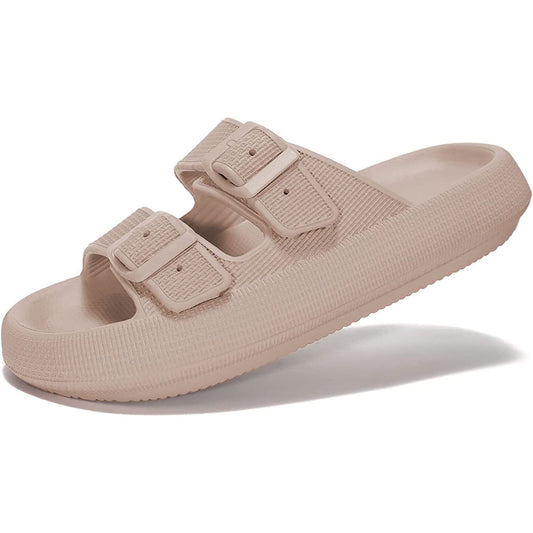


The best shoes for standing all day should match your feet, your workplace, and the way you move. A nurse walking hospital corridors, a teacher moving around a classroom, and a retail worker standing at a register may need different footwear—even when all three want less end-of-day fatigue.
No shoe can guarantee pain relief, but the right fit and features can improve comfort and reduce avoidable pressure. Use this guide to compare work footwear without relying on marketing labels alone.
What are the best shoes for standing all day?
For most people, good shoes for standing all day combine a secure fit, enough toe room, comfortable cushioning, appropriate support, and traction suited to the floor. The shoe should feel stable without being rigid and cushioned without feeling unstable.
Work rules come first. Healthcare, food service, warehouses, and other workplaces may require closed toes, specific materials, protective ratings, or slip-resistant soles. Confirm your employer's policy before buying.
Seven features to compare
1. Correct length and width
Your longest toe should not press against the front, and the widest part of your foot should align with the widest part of the shoe. A roomy toe box is useful only when the heel and midfoot remain secure.
2. Cushioning that stays stable
Cushioning can make hard floors feel more comfortable, but extremely soft foam may allow too much movement. Look for a balanced footbed that feels comfortable after walking as well as standing.
3. Support that matches your foot
Arch support should feel like broad contact, not a hard bump. More support is not automatically better. People using prescribed orthotics need enough depth and a removable insole when required.
4. Secure heel and midfoot
Constant heel slipping or toe gripping can contribute to fatigue. Laces, adjustable closures, or a well-shaped upper can help keep the foot centered.
5. Workplace-appropriate traction
For wet or greasy environments, choose footwear specifically described and tested for the expected surface. Tread wears down, so inspect the outsole regularly.
6. Manageable weight
Heavy footwear can feel tiring over many steps. Lightweight construction may help, provided it still meets your workplace's protection and stability requirements.
7. Breathability and cleanability
Breathable uppers can improve comfort, while smooth wipeable materials may be better in settings where spills are common. The correct choice depends on the job.
Shoes for walking and standing all day
If your day includes frequent walking, test the shoe through a full stride. The heel should remain secure, the forefoot should bend where your foot bends, and the toes should not hit the front on turns or stairs. Try footwear with the socks you plan to wear at work.
Clogs or sneakers for standing all day?
Sneakers generally offer a more secure fit for fast movement and direction changes. Clogs can provide convenient entry, a roomy shape, and easy cleaning, but backless styles may not suit jobs requiring quick movement or full foot coverage.
Compare Sootheez clogs and sneakers using the size information and your workplace requirements. Product features vary, so check the individual listing rather than assuming every style is slip-resistant or appropriate for work.
How to test work shoes before a long shift
- Try them later in the day, when feet may be slightly larger.
- Wear your normal work socks or orthotics.
- Walk, turn, and stand on a clean indoor surface.
- Check for pressure at the toes, sides, arch, and heel.
- Make sure the sole grips without catching unexpectedly.
- Break in new footwear gradually when possible.
Habits that may improve comfort
- Change position and take permitted movement or seated breaks.
- Use an anti-fatigue mat when standing at a fixed workstation and when workplace rules allow it.
- Replace worn footwear when cushioning becomes uneven or tread is smooth.
- Keep feet dry and choose socks that do not bunch.
- Rotate pairs if this helps the shoes dry fully between shifts.
When foot pain needs professional attention
Foot pain can have many causes. Seek medical advice when pain is severe, follows an injury, persists for more than several days, limits walking, or occurs with marked swelling, numbness, weakness, color change, fever, or a wound. People with diabetes, reduced sensation, or known circulation problems should follow their clinician's foot-care guidance.
Frequently asked questions
Are soft shoes always best for standing all day?
No. Softness can feel comfortable initially, but fit and stability also matter. The best choice balances cushioning with control.
Should work shoes be a size larger?
Not automatically. Choose the size that fits your longer foot while keeping the heel secure. Use the brand's measurements because sizing varies.
How often should work shoes be replaced?
There is no universal schedule. Replace them when the tread is worn, the sole is uneven, the upper no longer holds the foot, or cushioning no longer feels consistent.
This article provides general footwear information and is not medical advice.