

The best shoes for nurses must work through long hours of standing, walking, turning, and responding quickly. Comfort matters, but healthcare footwear also needs to fit the facility's dress code, safety policy, and cleaning requirements.
There is no single best model for every nurse. Foot shape, role, floor surface, prior injuries, and employer requirements all affect the decision. This guide explains what to compare before choosing clogs, sneakers, or another work shoe.
What are the best shoes for nurses?
Strong options usually combine a secure fit, comfortable cushioning, appropriate traction, enough toe room, and a design that can be cleaned as required. Nurses who move quickly may prefer a closed, secure heel, while some workplaces permit clogs with a heel strap. Always follow your facility's rules.
Essential footwear features for healthcare workers
Secure fit
The shoe should hold the heel and midfoot without pinching. Excess movement can lead to rubbing, while a shoe that is too tight can create pressure as feet change through the day.
Comfortable cushioning
Hospital and clinic floors are often hard. Cushioning may improve comfort, but it should not feel so soft that the foot becomes unstable. Test the shoe while walking and changing direction, not only while standing still.
Appropriate traction
Spills can occur in healthcare settings. Look for footwear labeled for the surfaces you encounter, but remember that tread design, contamination, wear, and floor maintenance all affect traction. A shoe cannot eliminate slip risk.
Closed and protective construction
Many facilities require closed-toe footwear, and some roles may require a closed heel or additional protection. A product's fashion category does not establish whether it meets your workplace policy.
Easy-to-clean materials
Smooth uppers are often easier to wipe than highly textured fabric. Follow workplace infection-control guidance and the shoe manufacturer's cleaning instructions.
Room for the toes
The toes should lie naturally without pressing against the front or sides. A wider toe box does not mean the whole shoe should be loose; the heel and midfoot still need control.
Reasonable weight
Lightweight shoes can feel less tiring during repeated steps, provided they offer the stability and protection your role requires.
Clogs versus sneakers for nurses
Healthcare clogs
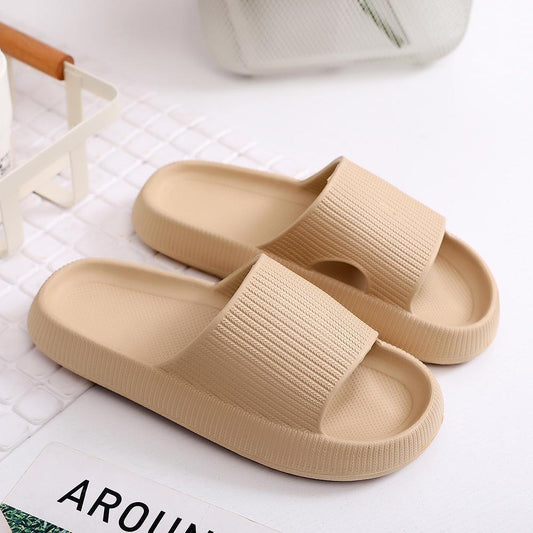
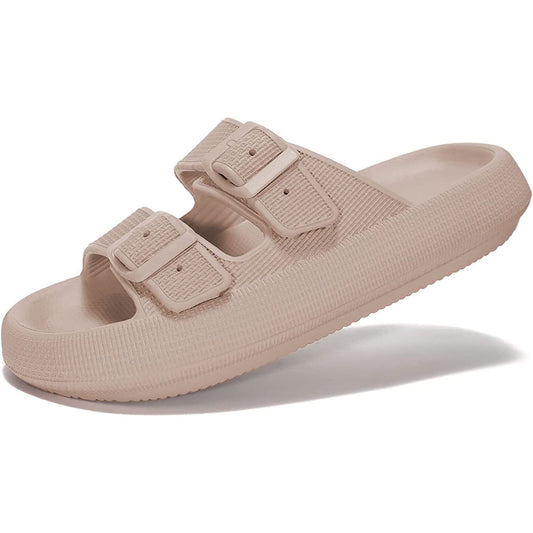
Clogs can be convenient, roomy, and easy to clean. Models with a heel strap may feel more secure than fully backless styles. Confirm whether clogs are allowed in your department and whether the outsole is suitable for the workplace.
Work sneakers
Sneakers often provide a secure heel and work well for roles involving fast movement. Breathable fabric may improve comfort, but it may also be harder to clean after spills. Choose based on the actual work environment.
You can compare Sootheez clogs and sneakers, then review each product's listed features and sizing. Not every style is designed or certified for every healthcare setting.
How nurses should fit work shoes
- Try shoes with the socks or orthotics used at work.
- Fit the longer foot and compare the brand's measurements.
- Check that toes do not touch the front during walking.
- Walk, turn, and use stairs on a clean indoor surface.
- Watch for heel lift, side pressure, arch pressure, or numbness.
- Test new footwear gradually before relying on it for a full shift.
Practical care during long shifts
- Inspect soles for worn or clogged tread.
- Clean footwear according to facility and manufacturer guidance.
- Change damp socks when practical.
- Use permitted breaks to change position and rest.
- Replace shoes when the sole becomes uneven or the upper no longer holds the foot securely.
Compression socks are not appropriate for everyone. Anyone with circulation problems, reduced sensation, significant swelling, or other medical concerns should ask a qualified clinician before using them.
Frequently asked questions
What shoes do nurses wear for long shifts?
Nurses commonly choose work sneakers or clogs, depending on facility policy and personal fit. The label matters less than secure fit, suitable traction, comfort, and cleanability.
Are slip-on shoes good for nurses?
They can be if they remain secure and meet workplace rules. A shoe that slides at the heel or comes off during quick movement is not a good choice.
Are non-slip shoes required for nurses?
Requirements vary by employer and department. Check your facility's written policy. Even when not required, appropriate traction is worth considering on floors that may become wet.
When should nurses replace work shoes?
Replace footwear when tread is worn, cushioning becomes uneven, the upper is damaged, or fit and stability deteriorate.
This guide provides general footwear information and does not replace workplace policy or medical advice.