

Toe socks place each toe in its own fabric sleeve, much like a glove for your foot. That unusual construction changes how the fabric sits between the toes and can make them useful for walking, running, lounging, or pairing with toe-post footwear. The best choice still depends on your shoes, activity, and personal comfort.
What are toe socks good for?
Toe socks are designed to separate the toes and place fabric between adjacent skin surfaces. People often choose them to reduce toe-to-toe rubbing, manage moisture between the toes, or wear socks with sandals that have a toe post. They may also feel more natural to someone who likes independent toe movement.
Toe socks benefits
- Less skin-on-skin friction: Fabric between the toes can help reduce direct rubbing during everyday movement.
- Moisture separation: Each toe is wrapped individually, which may help keep perspiration from pooling between toes when the fabric is breathable.
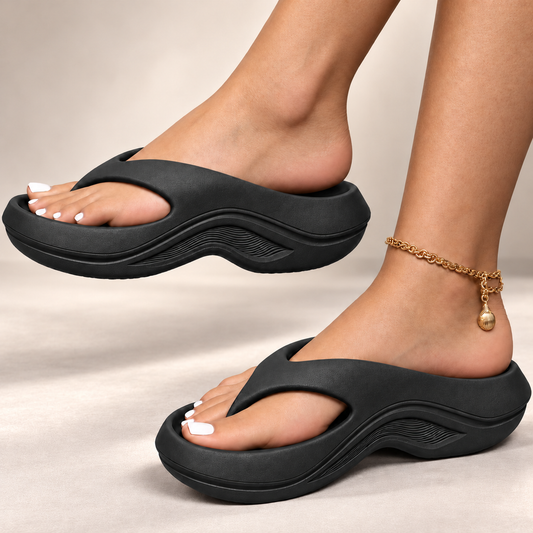
- Compatibility with toe-post sandals: Five-toe and split-toe designs leave room for a flip-flop strap.
- Individual toe movement: Some wearers prefer the less-restricted feeling inside wide toe-box shoes.
- Easy blister checks: Removing the socks after activity makes it simple to inspect common friction areas.
Toe socks pros and cons
The advantages are not universal. Toe socks can take longer to put on, and a poor fit may bunch at the toe tips or feel tight between the toes. Seams, fabric thickness, and toe length vary between brands. They can also make snug shoes feel smaller.
People with reduced sensation, circulation concerns, diabetes, or active skin problems should prioritize a smooth fit and follow advice from their healthcare professional. A sock should never leave deep marks, increase numbness, or hide a worsening wound.
How to choose toe socks
- Match the activity. Choose lightweight, moisture-wicking fabric for exercise and softer insulating materials for warmth.
- Check the size chart. Toe sleeves should reach the base of each toe without pulling or leaving excess fabric.
- Inspect the seams. Flatter seams may be more comfortable during long walks or runs.
- Test them with your shoes. Make sure the added fabric does not crowd the toe box.
- Start with a short wear period. Check for rubbing or pressure before using them all day.
Are toe socks better than regular socks?
Neither style is automatically better. Regular socks are quicker to put on and work well for most shoes. Toe socks are most useful when toe separation, toe-post compatibility, or reduced skin-on-skin contact matters to you. Fit and fabric quality are more important than the label alone.
Frequently asked questions
Can toe socks prevent blisters?
They may reduce friction between adjacent toes, but blisters can also come from shoe fit, heat, moisture, and repetitive movement. No sock can guarantee prevention.
Can you run in toe socks?
Yes, if they fit smoothly and leave enough room in the shoe. Test them on a short outing before a long run.
How should toe socks fit?
They should lie close to the skin without pulling, twisting, or compressing the toes. Stop wearing them if they cause pain, numbness, or persistent marks.
This article offers general information and is not a substitute for individualized medical advice.